Thursday, 1 September 2016

People Pay, Not Pageviews. Here’s Why People Are Leaving Your Website Without Converting

You’ve rolled out a lot of marketing tactics to boost traffic for your website. After copious amounts of content production, sharing, social engagement, and even paid ads, you feel like you can finally celebrate because your site is now pulling in tens of thousands of unique visits every month with a ton of page views.

However, if your conversions are bottoming out and growth is sluggish, then don’t celebrate just yet.

I hear about this problem on a regular basis. Unfortunately, pageviews don’t pay the bills. Purchases do.

If you’re struggling and want to improve your conversion rates, you should look beyond the traditional CRO recommendations and A/B testing recommendations for bottlenecks.

Here are some reasons why your visitors might be bailing on you:

Your Design is Turning Them Away

According to data from SmartInsights, more than 80% of people use smartphones as their primary method for accessing the web. You’ll see similar rates of mobile usage if you review visitor device information on your analytics platform.

It’s important to be aware of this trend, since 30% of mobile users admit to abandoning a transaction if the website isn’t fully optimized for mobile browsing.

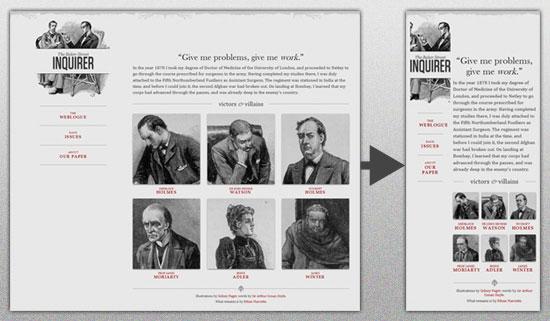
Personally, I find it incredibly frustrating to visit a site on my phone, only to be greeted by a site that requires me to zoom in and scroll horizontally. It goes from bad to worse when a pop-up designed for desktop users suddenly fills my mobile screen and I’m unable to close it. That site is basically dead to me on mobile and I’ll never try to go back after that bad experience.
mobile-design-responsive
Responsive and mobile-compatible designs fit content to a mobile display, greatly reduce the need to zoom. Image Source

Google understands that frustration, and they have updated their algorithm to make mobile compatibility a ranking factor. If your site isn’t currently using a responsive, mobile-compatible design then it’s time to fix it. Otherwise you’ll miss out on conversions and risk a significant drop in organic search rank (and subsequent organic traffic).

Mobile usability aside, there are other on-page elements that can repel your visitors like:

  • Multiple calls to action that prevent them from taking action (analysis paralysis)
  • Poor navigation
  • Sliders and rotators
  • Too many steps in navigation to reach content/products
  • Confusing or cluttered content

Rather than guess at what makes a good user experience, you can quickly identify and work to eliminate a lot of usability issues by working with UserTesting.com. You can submit your site to be reviewed by real people and watch videos of how the interact with and react to your site.

Autoplay Videos Hijack the User Experience

Don’t you just love the autoplay feature on ESPN and CNN.com? You land on a page to read an article, a video loads (with an ad) and you scramble to hit the pause or mute button so you can read the article.

With that being said..

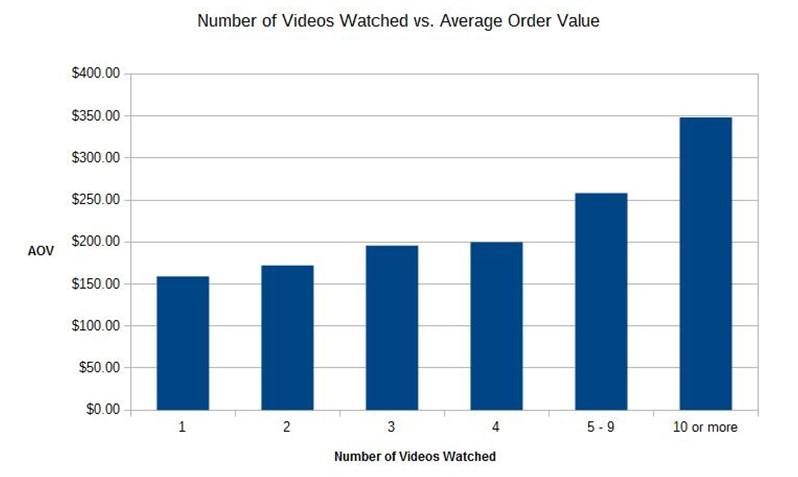
Implementing video on your website could work wonders for conversions. According to a Liveclicker survey among major retail brands, the more videos a visitor watches, the more likely they are to spend within your funnel.
videos-watched-average-order-value

According to a survey of major online retailers, the use of video on product pages lifted conversions an average of 9%.

But setting videos to autoplay could potentially harm your conversions. It’s potentially a major disruption. According to W3C (the group responsible for setting standards for web design best practices), autoplaying audio can interrupt the navigation process as a user has to search for the source of the audio to shut it down.

Certain groups of people, especially those with attention disorders, can be easily distracted by motion which can disrupt the user experience and make it difficult for them to focus.

Worst case scenario, the visitor has a negative reaction to the disruption and closes the page.

Instead of autoplaying the video, create a call-to-action that draws visitors’ attention to it and persuades them to click the play button on their own. Another option is to run the video on silent in the same way Facebook autoplays video in a user’s feed.

Your Value Proposition is Unclear

If you’re not clearly communicating the value and benefits of your offer, then your visitors won’t feel compelled to click or make a purchase.

Why should they, if they have no idea what they’ll get out of the exchange?

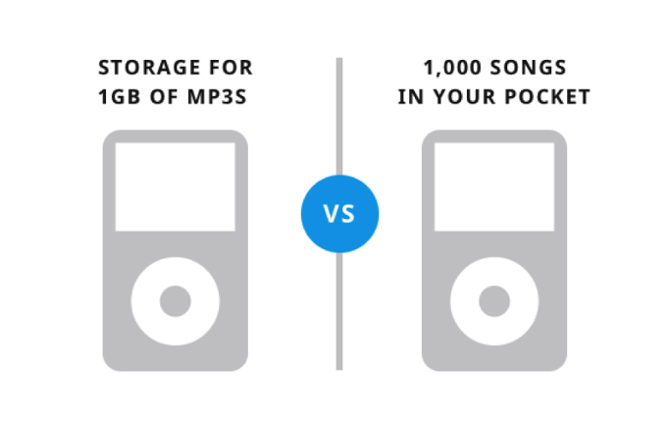
Here’s a great example from Help Scout where they reference the launch of the Apple’s early iPod product. Not every member of their audience is tech-savvy, so trying to leverage storage capacity (a feature) would be meaningless to many people.
ipod-marketing-messaging

Instead, they communicated the real value and benefit of the product: 1,000 songs in your pocket.

Make sure your value proposition is crystal clear on your landing pages. Test different variations to see which phrasing gives you the best conversion lift.

Content Doesn’t Match Audience Intent

The first conversion opportunity isn’t on your website, it’s wherever your visitor came from. In most cases, this will be organic search or an ad elsewhere on the web. The headline and description make a specific promise to the reader and set their expectations.

If they arrive on your website and find something completely different, such as copy or offers that don’t match their intent, they’re more likely to click the back button.

For example, if you’re targeting enterprise businesses and your audience is mostly CMOs and upper-level marketers, they’re not likely to opt-in if you’re only offering a free e-book on local marketing strategies.

Make sure the copy, design elements, offers, and calls-to-action all line up with user intent to lift conversions on your landing pages. This is where audience research pays off.

Understanding the specific needs and pain points of audience segments will help you create more targeted offers to keep your visitors engaged.

Site Load Time is Terrible

Kissmetrics produced an infographic that shows us just how load time can impact your bottom line. Not only is load time a ranking factor for organic search, but it can also have a pretty significant impact on conversions.

As many as 47% of consumers expect a page to load in 2 seconds or less. If they’re met with prolonged loading graphics or a hanging white page then you risk losing them – and their patience can be short.

In fact, a delay of just 1 second in load time can result in a 7% reduction in conversions.

Do everything you can to reduce page load time on your website in order to avoid negatively impacting your conversion rates. I recommend:

Opt-Ins Aren’t Optimized

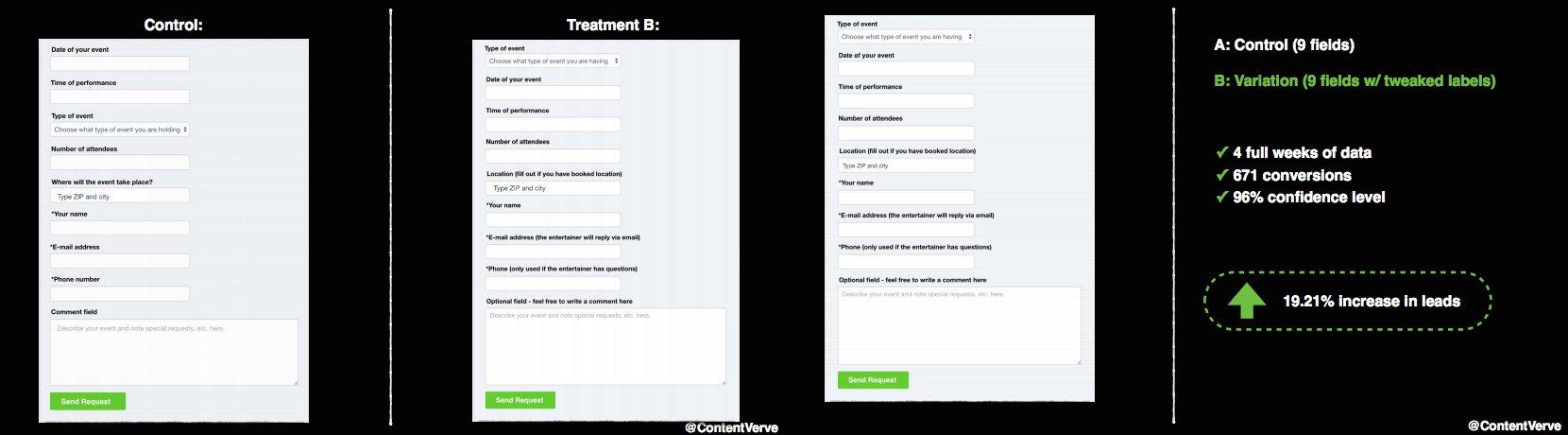
The old trick for improving conversions with opt-in messages was to reduce the number of form fields. This advice was based on a study from 2008 so by now, it’s obsolete. In fact, ConversionXL examined another study by Unbounce that compared shortened forms to optimized forms.

The result?

The forms with fewer fields performed worse. Meanwhile, the forms with improved label copy instead of reduced field counts saw a 19.21% lift in conversions.
reduced-form-fields-test

So which method is the best approach?

The answer is “it depends.” There’s no concrete answer here. If you’re experiencing friction with opt-ins, then your ideal approach is to test variations and see what works best for your audience. Optimize the labels, try different field counts, adjust the call-to-action, and continue testing until you’re satisfied with the conversions.

Trouble with the Calls-to-Action

You would think that crafting an amazing offer, telling a great story with visuals, and writing dynamite copy would send your conversions through the roof. It’s actually quite the opposite.

Even if your audience is in tune with your offer, your conversions are going to suffer if you don’t have a strong, compelling call-to-action. In many cases, customers just won’t engage unless you specifically tell them what you want them to do.
storenvy call to action example
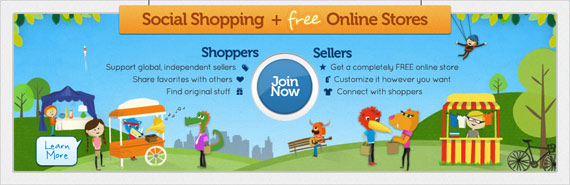
A bold call to action captures attention and tells the audience what to do.

If you’re missing a call-to-action altogether, then you’re definitely going to suffer from low conversions. One study from Small Business Trends found that 70% of B2B businesses lack a call-to-action on their homepage.

Such a simple thing can have a major impact and at least it’s an easy fix:

  • Create a call-to-action that is prominent and stands out from other page elements
  • Make it compelling and focus on the value; what do visitors get by clicking?
  • Make your call-to-action relevant to match the audience’s intent
  • Use verbs and actionable language
  • Leverage urgency with words like “Now” and “Today”

Be sure test different versions of your call-to-action to determine which designs and copy offer the greatest lift in conversions.

There’s No Secret Formula

There’s no one specific thing you can do to suddenly make your conversions soar. While these individual items could hurt your conversions, making a single adjustment isn’t guaranteed to change or improve anything.

Rather than taking a tactical approach to improving conversions, identify the elements that could be creating problems and start testing. A/B testing small changes is more likely to help improve conversions over time and eliminate trouble areas like these.

What have you done to increase conversions on your website? Share your approach and results with me in the comments below.

About the Author: Andrew Raso is the co-founder and director of Online Marketing Gurus, a fast-growing, award-winning search company working with brands including HelloMolly, Baku Swimwear, and Forcast. Follow him on Twitter at @andrewraso1 or on LinkedIn.


from The Kissmetrics Marketing Blog https://blog.kissmetrics.com/why-people-leave-without-converting/

Creating an Award-Winning Short Film

So you want to make movies, and get recognized for your efforts? The best way to start off is to make a short film. Creating a short can show what you have to offer as a filmmaker in a nice, little package. Here are ten steps to help guide you through in creating a short film, from concept to submission.

1) Think of an idea for a story.

Write down instances of conflict, and the scenarios that follow. Don’t make it too complicated or epic. This is not a feature-length, Hollywood box-office hit. Think of broad, simple conflicts, then focuses on the details.

Once you have a general idea of a story, write a treatment of the story (broad overview of the story from beginning to end). Then, after looking over for kinks in the story, write the script of the story. Celtx is a good, free screenwriting software. Make sure you write the script in the proper format. Once completed with the script, ask someone you know to read it over. Chances are, they will catch some errors that you did not catch since they are not biased toward the script.

2) Create a schedule for the rest of Pre-Production, Production, and Post-Production.

This will be your personal guide to look to throughout the process of creating your film. In your schedule should include every little detail of what is happening when (when/where the actors need to be, what time is crew call, etc.). Having this information readily available will greatly help you when people later ask questions about times and dates.

3) Find and finalize your location.

Depending on your script, find a location(s) that will be used to shoot the short on. Keep in mind of logistical questions that will come up when choosing a location (how long do have the place for, is there any electrical access to the location, will the crew be able to easily access the location, what permits if any are needed to use the location, etc.).

4) Find and build your crew.

Using the available mediums of information (craigslist, local Facebook groups, local filmmaking groups, colleges/universities, digital marketing agency), make a crew that will perform certain duties while on set. The basic positions include Director (if you are not directing, which I highly recommend that you do Direct), Director of Photography, Sound Equipment Operators, Gaffer (lighting operator), Make-Up, Acting Coach, Clapper, and Production Assistants. Some of these jobs can be multi-tasked to one person, but if you have enough people to concentrate on their particular craft, the smoother it will be during production. Also, check to see if your crew members own/have access to the equipment needed for shooting. If they don’t, that’s something else you will have to figure out.

5) Find your actors

Using similar methods of finding your crew, find the actors needed according to your script. Use different channels to find your actors. Some include talent agencies, university/college theater programs, Craigslist, Facebook groups, etc. Have try-outs for the roles. This will give you some idea of how much skill each actor has. Make sure to record every actor’s information (name, contact info). You might need them later.

6) Script-Reading Meeting

Once you have found some good options of actors to fill the roles in the script, have a script-reading with all the actors that will have any speaking role. A script-reading is when all the actors read the script to see how the dialogue flows with the actors. You, along with anyone else that you deem vital to the production (Director, Producer, Writer, Acting Coach, etc.) should be present at the script-reading. Preferably have someone else read the narration of the script, so you can study the actors and how they interact with each other. Make plenty of notes of comments/possible changes. If you notice significant problems with a player’s performance with dialogue, discuss the issue with the actors, so he/she can learn and fix the issue.

7) Editing the Script (Again)

After the script-reading, go back to your script with your notes from the script-reading, and make the necessary changes. Sometimes it is simply a matter of switching a few words around, and other times, it is changing some scenes around. This is done to make the script flow better and make production more efficient, and in the long run, make your film better overall. The more work you put into editing the script now, the less time you have to edit on the set during production.

8) Production

Going along with your schedule created earlier, begin the process of production. This is actually when the shooting of the film takes place. Be constantly aware of time restraints. During production, if you are unsure about something, ask one your specialists from digital marketing agency for advise. You have the grand vision of the film, but your crew makes the film a reality. Make sure to respect them, as well as your actors, and treat them well. If possible, provide at least water, if not food, for your crew and actors.

After each session of shooting, check your “dailies”, or shots of the day. Check for any errors or issues in the shots. This will determine if any reshoots are necessary. Plan in your schedule accordingly.

9) Post-Production

After production is completed, it is then time for post-production. This includes editing the film. Depending on your skill with editing, either have a specialist edit your film, or edit the film yourself. I highly advise having someone with an editing background to be present with you during editing regardless, to serve as an advisor.

10) Finalizing and Submission

Once your film is edited and complete, it is now ready for showing. If you hadn’t before, look around for film festivals and competitions. Often, your local community will have some film festival that you could enter. Even if you win some award at a small, community film festival, you can then say that you are an award-winning filmmaker.


from Fire Path Digital http://www.firepathdigital.com/blog/creating-an-award-winning-short-film/

Gum, Glue, Marketing Too: 3 Ways to Make Your Content and Campaigns Stick

Gum, Glue, Marketing Too- 3 Ways to Make Your Content and Campaigns Stick

Author: Paul Geller

One of the biggest challenges that marketers face today is finding a way to rise above the noise.

Competition for attention has never been fiercer; the din from news, entertainment, web, and social chatter never quite so deafening. The stakes are higher and there’s less room for error. In a time when people are content grazers (scanning, snacking, and quickly moving on), you need to find ways to make your content and campaigns stick.

One of the most impactful ways? Be human and engage them as individuals, not contacts or leads. Stop thinking business-to-business or business-to-consumers and realize that your buyers are people just like you. Whether they’re shopping for business software or a washing machine, they don’t want to interact with a robot. They receive enough spam and junk mail as it stands. Instead, practice the principles of engagement marketing and explore ways to break through with content and campaigns that truly resonate with them.

In this blog, I’ll share three unique ways to make your content and campaigns more engaging:

1. Make Content Interactive

One way to engage your buyers is to make your content interactive so that the experience feels like a two-way conversation, not a monologue. This means tapping into different vehicles to deliver content that increases their time on page or time in app.

The New York Times covered this trend and described the most popular features on SlateTime, and its own site. Record traffic resulted not from breaking news stories or in-depth features and analysis, but from quizzes and games–referred to as “gamification of content.” While quizzes and games are not new (crossword puzzles have been a print media mainstay for ages), they are becoming more interactive, social, and viral. So how can marketers get in the game?

While there are a number of solutions that enable you to create interactive content, first you need to get smart about the different formats available and their costs and benefits. Which ones are most appropriate for your target audience? For example, games might be more interesting to consumers, while quizzes and surveys perform better with a larger audience, including business buyers.

Once you’ve narrowed down your format, you need to create and implement a winning concept. Even if it runs well, a great app, survey, game, or quiz will not help you achieve your goals unless it’s anchored by the right idea. The best ones will support your brand, draw your audience in, and provide an engaging (e.g. fun, challenging, informative, entertaining) experience.

Check out these classic examples of interactive content from popular publications:

Time QuizTime magazine launched an interactive quiz about time wasted on Facebook; it produced record traffic


NY Times Regional Dialect Quiz
NY Times hosted a U.S. regional dialect quiz, which was the most viewed and emailed article

Slate Name GeneratorSlate’s Adele Dazeem name generator spoofed John Travolta’s bungling of singer Idina Menzel’s name at the 2014 Oscars; it was the most viewed article in Slate’s history 

2. Get Personal

Your buyers are inundated with massive amounts of communications every day from other businesses and their own networks. To break through the noise and reach your target audience, you need to send them personalized messages at scale, which requires a sophisticated marketing automation platform that can listen to your prospects and customers’ behaviors and actions to inform and trigger relevant communications.

While you can certainly use digital marketing to reach your buyers, have you considering implementing traditional marketing methods to offer them a refreshing experience? In fact, direct mail is coming back into vogue, with 70% of Americans saying that snail mail is more personal than the internet, according to the Direct Marketing Association. Why is this so effective? Personalized direct mail is concrete and unexpected, and it can also be more credible and tap into your buyers’ emotions. Done right, direct mail campaigns can increase engagement and fuel good will and positive word-of-mouth.

But how do you send personalized direct mail at the same scale of your automated digital marketing campaigns? It can be time-consuming and labor-intensive to send out each piece, not to mention handwrite it. Thankfully, there are solutions in the market that can integrate into your marketing automation platform to automate the creation and delivery of personalized direct mail pieces, be it handwritten cards or gift cards.

For example, if you want to trigger a card to be created and sent out after a customer passes a purchasing milestone or speaks to your team, you can use an automated handwritten card solution, like Thankster, to weave personalized handwritten cards into your marketing campaigns, whether it’s to support nurturing campaigns or loyalty programs. (Disclaimer: This is my company’s product, but there are other automation solutions in the market that you can use to personalize your direct mail campaigns).

Thankster

3. Go Virtual

The other extreme is to double down on digital and go virtual. What could be more engaging than bringing your buyers into a virtual world?

Ever since William Gibson’s groundbreaking novel Neuromancer was published over 30 years ago, publishers, content creators and marketers alike have awaited the day when their audience could jack into virtual reality (VR) holodecks and navigate a 3D cyberspace world. Now, these science fiction dreams are becoming a reality, aided by developments in technology, video, and VR headsets from Facebook, Google and others.

VR can be a vehicle for powerful storytelling. Publications as well as marketers have began experimenting with VR and for good reason. Its immersive nature makes the medium inherently sticky, and when done well, it can tap into your audience’s emotions and make the digital world more concrete. For example, earlier this year, digital agency Sapient Nitro launched a VR Easter egg hunt to showcase how they can combine 360-degree photography and VR in a fun and engaging way.

Sapient Nitro

To pull off a virtual reality campaign, you need to use your imagination and understand the capabilities (and limitations) of today’s technologies. Envision what you should present in a 3D, virtual world. What can your audience see and do that will lead to a better understanding of your product? What elements might draw your audience in? As the Wall Street Journal reported, there’s a death of good content to meet the growing hype and demand for VR; the void is an opportunity for marketers that can jump in and do a good job of telling stories in the new format.

How will you take your content and campaigns to new heights of engagement to really make them stick? Share what approaches you’ll be applying to your marketing strategy moving forward in the comments below.

This blog was co-authored by Bob Geller, President of FusionPR.

Marketo Virtual Event


Gum, Glue, Marketing Too: 3 Ways to Make Your Content and Campaigns Stick was posted at Marketo Marketing Blog - Best Practices and Thought Leadership. | http://blog.marketo.com

The post Gum, Glue, Marketing Too: 3 Ways to Make Your Content and Campaigns Stick appeared first on Marketo Marketing Blog - Best Practices and Thought Leadership.


from Marketo Marketing Blog http://blog.marketo.com/2016/09/gum-glue-marketing-too-3-ways-to-make-your-content-and-campaigns-stick.html

How to Link Instagram to Your Facebook Page in 6 Simple Steps

camera-2.jpg

Visual content garners a huge amount of engagement on social media. There's a reason why 71% of online marketers use visual assets in their social media marketing: People respond to it.

Being able to share this content across multiple platforms, then, is an asset. And one of the best ways to do that is to link Instagram to Facebook -- that increases the number of eyes on your visual content. Download our complete guide to using Instagram for business and marketing here.

Before you move forward with your Instagram strategy, you'll want to connect these accounts. Sharing your posts with your company Facebook Page, rather than your personal profile, is just a matter of changing your settings -- and it only requires six simple steps.

How to Connect Instagram to Your Facebook Page

1) Start with your Instagram profile.

Your first step is to pull up your own Instagram account on your phone and select the profile icon in the lower right corner. Then, tap the gear icon in the upper right corner. (This might look like three vertical dots if you're using an Android device.)

Instagram profile

That will take you to your options, where you can adjust a number of your preferences, including social settings.

Instagram Options

2) Set up (or update) your linked accounts. 

When you get to your options, you'll want to scroll down to where it says "Settings" > "Linked Accounts." That's where you'll configure where else you want your Instagram photos to show up on social media.

Instagram settings

Tap "Linked Accounts," and you'll see all of your options for which social networks you can link with Instagram.

Instagram share settings

3) Connect to Facebook. 

In the image above, you'll notice that HubSpot's Instagram account is already linked to Facebook -- if you're not already linked to that network, you'll have to go through the permissions to share content there. You'll need to be logged into Facebook on your phone for this step to work -- once that's done, tap "Facebook" on your Share Settings screen.

You'll be asked to continue as yourself -- tap that button.

Log in with Facebook

Next, you'll be asked for your privacy preferences. Since you'll be just be sharing your photos on a business page, you can select "Friends" -- the people who will actually be seeing your photos are the ones who like the page you'll be publishing to, which we'll get to in later steps.

Facebook Instagram privacy

Once you hit "OK," you'll be taken back to your Share Settings, where Facebook should now be selected. If not, make sure you select it -- the logo should appear in blue to indicate that you're now sharing your posts on Facebook.

Instagram share settings

4) Pick where you're sharing on Facebook. 

Once you've linked Facebook to Instagram, you'll want to use your Share Settings to determine where on Facebook you'll be sharing Instagram posts. If you've only just now authorized Facebook to link with Instagram, images will be shared on your personal Facebook profile by default.

 Facebook share to

Tap "Share To" -- that will display all of the places on Facebook where your Instagram photos can be posted. It includes your personal timeline, or any business pages where you have an administrator role. 

Instagram share to

Here, we've chosen HubSpot. Once you've chosen the Facebook page where you want your photos to be posted, go back to your Share Settings.

Facebook share settings

Now, it should be specified that your Instagram photos are being posted to your Facebook business page of choice.

5) Make sure you're sharing responsibly.

If you're using Instagram for both personal and business accounts, remember: You'll have to modify these settings every time you want to change where your photos are being posted.

If you're really concerned on the possible drawbacks of using the same Instagram account for both -- and we've all seen how multi-tasking on social media can go wrong -- you might want to set up a company-specific Instagram handle that's completely separate from your personal one. 

If that's the case, you'll have to follow the same steps to link your Instagram account to Facebook. The only drawback? Whenever you want to switch between your personal and business accounts, you'll have to log out of -- and back into -- Instagram every time you want to change which one you're posting with. 

6) Start sharing!

You're all linked! Now, you can go back to your home screen, and choose which photo you want to post.

Instagram share photo

When you're ready to share your photo, just make sure you have Facebook selected as one of the places where you want your photo to be posted. 

How to Use Instagram in Connection With Facebook

Now that you're linked -- and you're in good company, as 73% of brands post at least one photo or video per week on Instagram --  what kind of content should you be sharing?

At the most basic level, you should be posting content that's relevant to your brand and to your target audience. That includes things like behind-the-scenes peeks at what your brand is doing to delight customers, quotes that inspire them, and humor. HubSpot's Lindsay Kolowich has written about the different ways brands pull that off -- check out her ideas here.  

That's It!

Sharing your Instagram photos on a Facebook business page allows you to bring strong visuals to multiple platforms with a few simple clicks -- and gives you the opportunity to showcase the personal side of your business. That can go a long way when it comes to engaging with your target audience -- visual content is over forty times more likely to get shared on social media than other types of content.

When have you linked your social accounts for business? Share it with us in the comments.

TSL Marketing is a HubSpot platinum partner. Download their free guide to B2B social media here.

Editor's Note: This post was originally published in December 2015 and has been updated for accuracy and comprehensiveness.

how to use instagram for business

from HubSpot Marketing Blog http://blog.hubspot.com/marketing/instagram-to-facebook-company-page

5 Tips to Improve Your Nonprofit's Email Strategy

Pointingtograph.jpg

Email's relevance and impact for nonprofit organizations continues to grow. According to the M+R Benchmark 2016 report, email lists for nonprofits grew by an average of 14% in 2015, outpacing their average churn rate of 11.4%. 

The same benchmark report also found that email action metrics, like open and click through rates are all down.

Subscribers are growing, but they're engaging with emails less? Huh? 

Don't take your list subscribers for granted. Getting them on your list is just the first step. If you want them to join, volunteer, or otherwise become active members, your emails need to inspire them.

Follow These Five Tips for a More Effective Email Strategy

1) Know your Personas

It always starts with your personas, right? You can't send compelling, motivating emails if you don't know what inspires and motivates your personas. Recognize that different personas may be more motivated by different messages, so tailor content that appeals to your personas' varying interests. If you haven't created your personas, or it's time to freshen them up, check out these persona templates developed specifically for nonprofit organizations.

 2) Get Email Addresses the Right Way – Don't Buy Lists

Bad, aged information. Low conversion rates. Is the member application rate return on a cold list ever worth the squeeze? No. Even less so when you consider how you could have used that effort and resources to attract warm prospects into your database.

Attracting people to your organization and into your prospect database is why you publish all that great content. Instead of wasting money and energy on a purchased list, take a hard look at how your content is performing. Are people sharing their email addresses with you to access your best content? If not, then you need to reassess what you're publishing.

Perhaps your inbound list is light because traffic to your website and blog is light. Your gated content converts well — you're just not generating enough traffic to see the prospect growth you need. That should trigger a harder look into your SEO and PPC strategies

You have many inbound marketing options to pull potential volunteers, members, and donors into your database, and all of them are better than buying a list.

3) Segment Your Email List — Not all Constituents are at the Same Level of Commitment

Your prospects and members are touched by different stories and messages. That's why you want to tailor email content by persona and behavior. They also differ in the level of commitment, financial or otherwise, they're ready to make right now.

While financial means are part of this equation, also keep in mind length and frequency of donations. Someone who made donation a month ago probably isn't ready for another fundraising email. 

If you're trying to nudge semi-active members to increase their activity, then customize your emails highlighting past and upcoming events similar to those that have interested them in the past.

Whatever the nature of a specific email campaign, tailor the content based on the subscriber's expressed interests, taken from both their online and offline activity with your organization.

4) Make a Compelling Offer

The M+R Benchmark report found that nonprofits send their subscribers, on average, 50 emails a year, 19 of which are fundraising appeals.

You can use your non-fundraising emails to encourage other types of engagement, which strengthen the relationship the prospect has with your organization. Ideally, this leads to more engagement down the line. 

In the meantime, you want your emails to each have a compelling call-to-action (CTA). You can offer new content that continues to tell the story of the work your organization is doing. You can ask them to share some links to your website through their own social media profiles. Are you looking to increase your volunteer ranks? 

Whatever the email's CTA, make it the sole focus of the email and use action-oriented language on your CTA button.

5) User their Behavior to Trigger Relevant Follow up Emails

Once you have a prospect in your database, you can continue to gather data about their digital behavior. You'll know which emails they open and click through, and which they don't. You'll see which emails they open but which inspire no action.

You can find more email best practices in our ebook, A Crash Course on Inbound Marketing for Nonprofits >>

Use this information to design campaigns targeting your most engaged users. Are some of them ripe to make the jump from content consumer to member? Target them in a membership drive campaign. Are some members consistently attending your events, but don't share your content? Maybe you can run an ambassador campaign and ask them to share some content you provide in the email? Don't overlook the unengaged. Test out some re-engagement campaigns. 

And don't forget your thank-you emails! Whether they attended an event, subscribed to a new membership service, or volunteered – any offline or online action should trigger a tailored thank-you email.

As you master these tips, it might be time to test out automating some of your email campaign work. Then you can really scale your email fundraising. But first, work these tips to find out what sort of segmenting, triggers, and messages really move your people.

Inbound Marketing for Nonprofits Crash Course  


from HubSpot Marketing Blog http://blog.hubspot.com/marketing/5-tips-to-improve-your-nonprofits-email-strategy

What Is Digital Marketing?

What_is_Digital_Marketing.jpg

People spend twice as much time online as they used to 12 years ago. And while we say it a lot, the way people shop and buy really has changed, meaning offline marketing isn’t as effective as it used to be.

Marketing has always been about connecting with your audience in the right place and at the right time. Today, that means that you need to meet them where they are already spending time: on the internet.

Enter digital marketing -- in other words, any form of marketing that exists online.

At HubSpot, we talk a lot about inbound marketing as a really effective way to attract, convert, close, and delight customers online. But we still get a lot of questions from people all around the world about digital marketing.

Whilst a seasoned inbound marketer might say inbound marketing and digital marketing are virtually the same thing, there are some minor differences. And after having conversations with marketers and business owners in the U.S., U.K., Asia, Australia, and New Zealand, I’ve learned a lot about how those small differences are being observed across the world.  

So What Exactly is Digital Marketing?

Digital marketing is an umbrella term for all of your online marketing efforts. Businesses leverage digital channels such as Google search, social media, email, and their websites to connect with their current and prospective customers.

From your website itself to your online branding assets -- digital advertising, email marketing, online brochures, and beyond -- there’s a huge spectrum of tactics and assets that fall under the umbrella of digital marketing. And the best digital marketers have a clear picture of how each asset or tactic supports their overarching goals.

Here’s a quick rundown of some of the most common assets and tactics:

Assets

  • Your website
  • Blog posts
  • Ebooks and whitepapers
  • Infographics
  • Interactive tools
  • Social media channels (Facebook, LinkedIn, Twitter, Instagram, etc.)
  • Earned online coverage (PR, social media, and reviews)
  • Online brochures and lookbooks
  • Branding assets (logos, fonts, etc.)

Tactics

Search Engine Optimization (SEO)

The process of optimizing your website to ‘rank’ higher in search engine results pages, therefore increasing the amount of organic (or free) traffic that your website receives. (Read this post to teach yourself SEO in 30 days.)

Content Marketing

The creation and promotion of content assets for the purpose of generating brand awareness, traffic growth, lead generation, or customers. (Learn what goes into a modern content marketing strategy here.)

Inbound Marketing

Inbound marketing refers to the ‘full-funnel’ approach to attracting, converting, closing, and delighting customers using online content. 

Social Media Marketing

The practice of promoting your brand and your content on social media channels to increase brand awareness, drive traffic, and generate leads for your business. (Discover 41 resources for learning how to leverage social media marketing here.)

Pay-Per-Click (PPC)

A method of driving traffic to your website by paying a publisher every time your ad is clicked. One of the most common types of PPC is Google AdWords.

Affiliate Marketing

A type of performance-based advertising where you receive commission for promoting someone else’s products or services on your website.

Native Advertising

Native advertising refers to advertisements that are primarily content-led and featured on a platform alongside other, non-paid content. BuzzFeed sponsored posts are a good example, but many people also consider social media advertising to be ‘native’  -- for example, Facebook and Instagram advertising.

Marketing Automation

Marketing automation refers to the software that exists with the goal of automating marketing actions. Many marketing departments have to automate repetitive tasks such as emails, social media, and other website actions.

Email Marketing

Companies use email marketing as a way of communicating with their audiences. Email is often used to promote content, discounts and events, as well as to direct people towards the business’ website. (Check out these 15 successful email marketing campaigns for inspiration.)

Online PR

Online PR is the practice of securing earned online coverage with digital publications, blogs, and other content-based websites. It’s much like traditional PR, but in the online space.

What’s the Difference Between Digital Marketing and Inbound Marketing?

On the surface, the two seem similar: Both occur primarily online, and both focus on creating digital content for people to consume. So what’s the difference?

The term ‘digital marketing’ doesn’t differentiate between push and pull marketing tactics (or what we might now refer to as ‘inbound’ and ‘outbound’ methods). Both can still fall under the umbrella of digital marketing.

Digital outbound tactics aim to put a marketing message directly in front of as many people as possible in the online space -- regardless of whether it’s relevant or welcomed. For example, the garish banner ads you see at the top of many websites try to push a product or promotion onto people who aren’t necessarily ready to receive it.

On the other hand, marketers who employ digital inbound tactics use online content to attract their target customers onto their websites by providing assets that are helpful to them. One of the simplest yet most powerful inbound digital marketing assets is a blog, which allows your website to capitalize on the terms which your ideal customers are searching for.

Ultimately, inbound marketing is a methodology that uses digital marketing assets to attract, convert, close, and delight customers online. Digital marketing, on the other hand, is simply an umbrella term to describe online marketing tactics of any kind, regardless of whether they’re considered inbound or outbound.

Does Digital Marketing Work for All Businesses? B2B and B2C?

Digital marketing can work for any business in any industry. Regardless of what your company sells, digital marketing still involves building out buyer personas to identify your audience’s needs, and creating valuable online content. However, that’s not to say that all businesses should implement a digital marketing strategy in the same way.

For B2B

If your company is B2B, your digital marketing efforts are likely to be centered around online lead generation, with the end goal being for someone to speak to a salesperson. For that reason, the role of your marketing strategy is to attract and convert the highest quality leads for your salespeople via your website and supporting digital channels.

Beyond your website, you’ll probably choose to focus your efforts on business-focused channels like LinkedIn where your demographic is spending their time online.

For B2C

If your company is B2C, depending on the price point of your products, it’s likely that the goal of your digital marketing efforts is to attract people to your website and have them become customers without ever needing to speak to a salesperson.

For that reason, you’re probably less likely to focus on ‘leads’ in their traditional sense, and more likely to focus on building an accelerated buyer’s journey, from the moment someone lands on your website, to the moment that they make a purchase. This will often mean your product features in your content higher up in the marketing funnel than it might for a B2B business, and you might need to use stronger calls-to-action (CTAs).

For B2C companies, channels like Instagram and Pinterest can often be more valuable than business-focused platforms LinkedIn.

What Are the Main Benefits of Digital Marketing?

Unlike most offline marketing efforts, digital marketing allows marketers to see accurate results in real time. If you’ve ever put an advert in a newspaper, you’ll know how difficult it is to estimate how many people actually flipped to that page and paid attention to your ad. There’s no surefire way to know if that ad was responsible for any sales at all.

On the other hand, with digital marketing, you can measure the ROI of pretty much any aspect of your marketing efforts.

Here are some examples:

Website Traffic

With digital marketing, you can see the exact number of people who have viewed your website’s homepage in real time by using digital analytics software like HubSpotYou can also see how many pages they visited, what device they were using, and where they came from, amongst other data.

This intelligence helps you to prioritize which marketing channels to spend more or less time on, based on the number of people those channels are driving to your website. For example, if only 10% of your traffic is coming from organic search, you know that you probably need to spend some time on SEO to increase that percentage.

With offline marketing, it’s very difficult to tell how people are interacting with your brand before they have an interaction with a salesperson or make a purchase. With digital marketing, you can identify trends and patterns in people’s behavior before they’ve reached the final stage in their buyer’s journey, meaning you can make more informed decisions about how to attract them to your website right at the top of the marketing funnel.

Content Performance and Lead Generation

Imagine you’ve created a product brochure and posted it through people’s letterboxes -- that brochure is a form of content, albeit offline. The problem is that you have no idea how many people opened your brochure or how many people threw it straight into the trash.

Now imagine you had that brochure on your website instead. You can measure exactly how many people viewed the page where it’s hosted, and you can collect the contact details of those who download it by using forms. Not only can you measure how many people are engaging with your content, but you’re also generating qualified leads when people download it.

Attribution Modeling

An effective digital marketing strategy combined with the right tools and technologies allows you to trace all of your sales back to a customer’s first digital touchpoint with your business. We call this attribution modeling, and it allows you to identify trends in the way people research and buy your product, helping you to make more informed decisions about what parts of your marketing strategy deserve more attention, and what parts of your sales cycle need refining.

Connecting the dots between marketing and sales is hugely important -- according to Aberdeen Group, companies with strong sales and marketing alignment achieve a 20% annual growth rate, compared to a 4% decline in revenue for companies with poor alignment. If you can improve your customer's’ journey through the buying cycle by using digital technologies, then it’s likely to reflect positively on your business’s bottom line.

What Kind of Content Should I Be Creating?

The kind of content you create depends on your audience’s needs at different stages in the buyer’s journey. You should start by creating buyer personas (use these free templates, or try makemypersona.com) to identify what your audience’s goals and challenges are in relation to your business. On a basic level, your online content should aim to help them meet these goals, and overcome their challenges.

Then, you’ll need to think about when they’re most likely to be ready to consume this content in relation to what stage they’re at in their buyer’s journey. We call this content mapping.

With content mapping, the goal is to target content according to:

  1. The characteristics of the person who will be consuming it (that’s where buyer personas come in).
  2. How close that person is to making a purchase (i.e., their lifecycle stage).

To help you do this, we created a content mapping guide along with a free template.

In terms of the format of your content, there are a lot of different things to try. Here are some options we’d recommend using at each stage of the buyer’s journey:

Awareness Stage

  • Blog posts. Great for increasing your organic traffic when paired witha strong SEO and keyword strategy.
  • Infographics. Very shareable, meaning they increase your chances of being found via social media when others share your content. (Check out these free infographic templates to get you started.)
  • Short videos. Again, these are very shareable and can help your brand get found by new audiences by hosting them on platforms like YouTube.

Consideration Stage

  • Ebooks. Great for lead generation as they’re generally more comprehensive than a blog post or infographic, meaning someone is more likely to exchange their contact information to receive it. (Check out this guide to help you get started.)
  • Research reports. Again, this is a high value content piece which is great for lead generation. Research reports and new data for your industry can also work for the awareness stage though, as they’re often picked-up by the media or industry press.
  • Webinars. As they’re a more detailed, interactive form of video content, webinars are an effective consideration stage content format as they offer more comprehensive content than a blog post or short video.

Decision Stage

  • Case studies. Having detailed case studies on your website can be an effective form of content for those who are ready to make a purchasing decision, as it helps you positively influence their decision.
  • Testimonials. If case studies aren’t a good fit for your business, having short testimonials around your website is a good alternative. For B2C brands, think of testimonials a little more loosely. If you’re a clothing brand, these might take the form of photos of how other people styled a shirt or dress, pulled from a branded hashtag where people can contribute.

How Long Will It Take to See Results?

With digital marketing, it can often feel like you’re able to see results much faster than you might with offline marketing due to the fact it’s easier to measure ROI. However, it ultimately depends entirely on the scale and effectiveness of your digital marketing strategy.

If you spend time building comprehensive buyer personas to identify the needs of your audience, and you focus on creating quality online content to attract and convert them, then you’re likely to see strong results within the first six months.

If paid advertising is part of your digital strategy, then the results come even quicker -- but it’s recommended to focus on building your organic (or ‘free’) reach using content, SEO, and social media for long-term, sustainable success.

Do I Need a Big Budget for Digital Marketing?

As with anything, it really depends on what elements of digital marketing you’re looking to add to your strategy.

Presuming you already have a website, if you’re focusing on inbound techniques like SEO, social media, and content creation then the good news is you don’t need very much budget at all. With inbound marketing, the main focus is on creating high quality content that your audience will want to consume, which unless you’re planning to outsource the work, the only investment you’ll need is your time.

With outbound techniques like online advertising and purchasing email lists, there is undoubtedly some expense. What it costs comes down to what kind of visibility you want to receive as a result of the advertising.

For example, to implement PPC using Google AdWords, you’ll bid against other companies in your industry to appear at the top of Google’s search results for keywords associated with your business. Depending on the competitiveness of the keyword, this can be reasonably affordable, or extremely expensive, which is why it’s a good idea to focus building your organic reach, too.

Where Does Mobile Marketing Come Into the Equation?

Another key component of digital marketing is mobile marketing. In fact, mobile usage as a whole accounts for 60% of time spent consuming digital media, while desktop-based digital media consumption makes up the remaining 40%. This means that it’s essential to optimize your digital ads, web pages, social media images, and other digital assets for mobile devices. If your company has a mobile app that enables users to engage with your brand or shop your products, your app falls under the digital marketing umbrella, too.

Those engaging with your company online via mobile devices need to have the same positive experience as they would on desktop. This means implementing a mobile-friendly or responsive website design to make browsing user-friendly for those on mobile devices. It might also mean reducing the length of your lead generation forms to create a hassle-free experience for people downloading your content on-the-go. As for your social media images, it’s important to always have a mobile user in mind when creating them as image dimensions are smaller on mobile devices, meaning text can be cut-off.

There are lots of ways you can optimize your digital marketing assets for mobile users, and when implementing any digital marketing strategy, it’s hugely important to consider how the experience will translate on mobile devices. By ensuring this is always front-of-mind, you’ll be creating digital experiences that work for your audience, and consequently achieve the results you’re hoping for.

I’m Ready to Try Digital Marketing. Now What?

If you’re already doing digital marketing, it’s likely that you’re at least reaching some segments of your audience online. No doubt you can think of some areas of your strategy that could use a little improvement, though.

That’s why we created The Simple Guide to Digital Strategy in 2016 to help you build a digital marketing strategy that’s truly effective, whether you’re a complete beginner or have a little more experience. You can download it for free here.

free guide to digital strategy


from HubSpot Marketing Blog http://blog.hubspot.com/marketing/what-is-digital-marketing

How to Know if Your Agency is Running Profitably

Back in 2011, I launched into agency life full-time (and then some) after graduating from college. Despite working a crazy amount of hours, my tax return showed a personal income (including my share of business profits) of less than $20,000.

That income number more than doubled in 2012, but I was still running an agency, investing a ton of time and energy, and still doing it all for less than $50,000 pre-tax. I've made a lot of conscious decisions in life to not "chase the money," but if I'm going to pour so much of my life into an agency, I'd like it to be worth my time financially as well.

Sound familiar?

I've spoken with a lot of agency owners who are struggling to even come close to the income they'd like to earn. As a lot of business owners quickly discover, making money isn't easy and keeping that money is substantially more challenging.

At GuavaBox, it took us 3 years to finally get a sustainable business model in place. We needed to prove that we could acquire, service, and retain customers profitably. By mid-2013, we finally had a business that was attracting and keeping clients, covering team members and overhead, and producing worthwhile profits for the bottom line.

There are agencies who achieve profitability a lot sooner, and some who take longer. Then there’s a whole other group of agencies who couldn't tell you whether they're truly profitable or not. There's a good chance that those agencies are essentially paying for the privilege of serving their clients.

Do you know which subset of agencies you fall into? If you're not sure, the first question to answer is simply:

What does it mean to run an agency profitably?

By running a "profitable" agency, I mean that you're receiving enough revenue to cover overhead, team compensation, paying any owners who are working in the business a realistic salary (if it's not technically a salary, figure in taxes/benefits), and still having some meaningful amount of profit left at the end of the year.

Back in 2012, I might've initially said that we were running a profitable agency. We had revenue to cover overhead, personnel, and show some net profit at year end.

So what was the problem?

As I mentioned, I was working a lot of hours (we all were) and playing major roles in marketing, business development, client services, operations, and finance. There's no way that we could've hired the right people to replace my input for ~50K. It would've been much more expensive and wiped out the business profits (and more). My partner, Andrew, was in a similar situation — which compounded our unprofitability.

Is it bad if my agency isn't profitable?

I shared the GuavaBox example above for two reasons:

  1. To clarify how an agency with a "net profit" could still, in reality, be "unprofitable."
  2. To communicate that I've been there, I can relate to the challenge, and it's okay (for a certain period).

Ideally, you'd be able to bootstrap an agency and make so much profit right out of the gate that you could scale, build the infrastructure you need, make an above-market salary, and still have 25% net profit at the end of the year.

But I don't know any agency owners who have done that.

The first 2+ years at GuavaBox were filled with lessons as we discovered our identity, hired the right people, built the required infrastructure, and learned how to sell, deliver, and delight our customers. All of those lessons (which never end, by the way) cost money and took time, but they helped set the stage for a truly profitable agency to emerge.

Hopefully you're on an accelerated track to profitability, but don't be too hard on yourself if you're not there yet. The important thing is to understand the requirements for profitability, set your goals, and craft and follow a specific plan to get you there.

What metrics should I be tracking?

Drew McLellan from Agency Management Institute has nicely summed up my favorite way to measure profitability: Adjusted Gross Income (AGI — your gross revenue minus your cost of goods sold), and target expense numbers with the AGI 55-25-20 ratio.

"Your loaded people expense (salaries, benefits, any/all expenses and taxes related to employees) should be between 55-60% of your AGI,” McLellan wrote in a blog post. “Your overhead should be between 20-25% and that leaves your EBITA (earnings before interest, tax, and amortization expenses) at about 20%."

A lot of agency owners in the past have emphasized keeping your personnel costs under 50% of AGI, but I prefer Drew's breakdown. If there's one area to "overspend" on, it's your people.

Here's what this breakdown might look like on your books:

  • Gross Revenue (Billings): $600,000
  • Cost of Goods Sold (COGS): $100,000
  • Adjusted Gross Income (AGI): $500,000
  • Fully Loaded People Expense: $275,000
  • Overhead Expenses: $125,000
  • Net Profit/EBITA/EBITDA: $100,000

What you need to realize as an agency owner is that your own compensation needs to be figured into your people expense. The EBITA is business profit, not your personal compensation. At the end of the day, it's your decision -- you can take that as a withdrawal or reinvest in the business, but the only way to build an agency of value is to be creating tangible business value each year.

Running Your Agency Profitably

If you haven't yet achieved the AGI 55-25-20 Ratio, here's the action plan to help you get started: 

  1. Measure where you are right now. Go back and look at the books. Make sure you're measuring this and reporting on this every month from here on out.
  2. Set your goals and timeline, then identify the biggest problem areas. Start there and work towards your goal.
  3. Talk to others for help. I can't emphasize this enough. Need help with sales, client servicing, finance, or another area? Tap into your network or get in touch with us -- get help from people who've been there before and can help you head in the right direction.

What challenges has your agency faced on the road to profitability?

pricing-report-cta


from HubSpot Marketing Blog http://blog.hubspot.com/marketing/how-to-know-if-your-agency-is-running-profitably